

earlyretirement
Moderator
My firm has posted for a while the numbers that the IMF were saying were way off for 2026 and inflation would be much higher. This morning they adjusted.
The Fund just raised its annual inflation estimate for Argentina to 30.4% and lowered GDP growth projections to 3.5%. The "V-shaped" dream is meeting the "U-shaped" reality as our firm has posted for a while now.The Inflation Floor:
While 30.4% is a world away from the hyper-volatility of the past, the "sticky" nature of prices in 2026 shows that resetting the economy takes more than just fiscal balance. Service wages and utility adjustments are keeping the floor higher for longer.Growth Recalibration: A 3.5% growth rate is "healthy" for most countries, but for an economy emerging from a deep recession, it’s a cooling signal.
It suggests that the "physical" economy (bricks/agro) can't carry the whole weight if consumption stays suppressed.The Tensions: The IMF highlights "internal tensions." This likely refers to the friction we've seen this month: the PAMI strikes, the Truckers' port blockade, and the Banco Nación "VIP Loans" scandal. Political noise is once again carrying an economic price tag.
The Bottom Line: The 2026 outlook is still positive, but the "margin for error" has vanished.Stability isn't a straight line. The IMF's "caution" is a reminder that Argentina’s return to the world stage is a marathon, not a sprint.
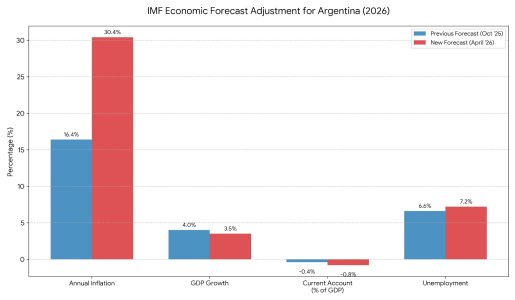
If you look at the IMF numbers from this morning you will see that the IMF is no longer looking at Argentina with rose tinted glasses. They basically doubled the inflation forecast from 16.4% to 30.4%. (This is what our firm has been saying for a while that the numbers were not realistic the government was using).
According to the report and statements from IMF officials released this morning, the adjustment is driven by three main factors:Inflationary Inertia: The IMF noted that while the "shock therapy" of 2024–2025 successfully brought inflation down from near-hyperinflation levels (180%), the "last mile" is proving stickier due to the massive relative price adjustments (utilities, fuel) and service-sector wage collective bargaining agreements.
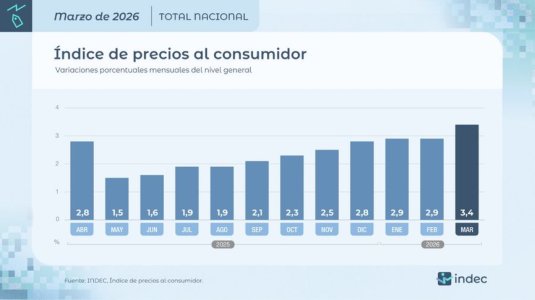
March 2026 Data: The adjustment comes on the same day the INDEC reported a March inflation rate of 3.4%, bringing the interannual figure to 32.6%. The IMF’s 30.4% projection essentially aligns with this reality, assuming a very gradual cooling for the rest of 2026.
Global Volatility: The IMF cited "geopolitical tensions" and a "slowdown in global demand" as the primary reasons for curbing Argentina’s growth from 4.0% to 3.5%, noting that these factors are hurting export potential.
The Fund just raised its annual inflation estimate for Argentina to 30.4% and lowered GDP growth projections to 3.5%. The "V-shaped" dream is meeting the "U-shaped" reality as our firm has posted for a while now.The Inflation Floor:
While 30.4% is a world away from the hyper-volatility of the past, the "sticky" nature of prices in 2026 shows that resetting the economy takes more than just fiscal balance. Service wages and utility adjustments are keeping the floor higher for longer.Growth Recalibration: A 3.5% growth rate is "healthy" for most countries, but for an economy emerging from a deep recession, it’s a cooling signal.
It suggests that the "physical" economy (bricks/agro) can't carry the whole weight if consumption stays suppressed.The Tensions: The IMF highlights "internal tensions." This likely refers to the friction we've seen this month: the PAMI strikes, the Truckers' port blockade, and the Banco Nación "VIP Loans" scandal. Political noise is once again carrying an economic price tag.
The Bottom Line: The 2026 outlook is still positive, but the "margin for error" has vanished.Stability isn't a straight line. The IMF's "caution" is a reminder that Argentina’s return to the world stage is a marathon, not a sprint.
If you look at the IMF numbers from this morning you will see that the IMF is no longer looking at Argentina with rose tinted glasses. They basically doubled the inflation forecast from 16.4% to 30.4%. (This is what our firm has been saying for a while that the numbers were not realistic the government was using).
According to the report and statements from IMF officials released this morning, the adjustment is driven by three main factors:Inflationary Inertia: The IMF noted that while the "shock therapy" of 2024–2025 successfully brought inflation down from near-hyperinflation levels (180%), the "last mile" is proving stickier due to the massive relative price adjustments (utilities, fuel) and service-sector wage collective bargaining agreements.
March 2026 Data: The adjustment comes on the same day the INDEC reported a March inflation rate of 3.4%, bringing the interannual figure to 32.6%. The IMF’s 30.4% projection essentially aligns with this reality, assuming a very gradual cooling for the rest of 2026.
Global Volatility: The IMF cited "geopolitical tensions" and a "slowdown in global demand" as the primary reasons for curbing Argentina’s growth from 4.0% to 3.5%, noting that these factors are hurting export potential.