Argentina just doesn't have any business manufacturing tires or many other things. Tires are much more expensive in Argentina vs just importing them. Why should millions of Argentines have to pay more just to employ some people and keep prices high.
Look, let’s stop pretending this is a fair fight. It’s not. It’s an execution.
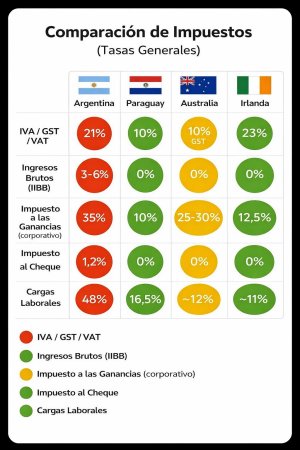
Argentine tire manufacturers aren't just "struggling"—they are obsolete in a world where Chinese production lines are churning out 50,000 units a day with the ruthless efficiency of a state-backed machine. You’re trying to compete with giants while standing in the mud of high structural costs, bloated taxes, and expensive logistics.
When a finished tire from Asia shows up at the port costing less than the raw rubber Fate or Bridgestone Argentina has to import, the game is over. If you have to import the rubber anyway, you’re just a middleman in a high-cost jurisdiction trying to play industrialist. It’s a vanity project funded by the consumer.
The Brutal Truth:
- Scale is King: You can’t win a volume game against a country that treats global overcapacity like a weapon. Smaller, unspecialized plants are a relic of a closed era.
- The "Raw Material" Delusion: If you don't own the source (the rubber), you own nothing. Importing raw materials just to struggle with local labor costs and exchange rate volatility is a recipe for a slow death.
- Artificial Life Support: Protectionism isn’t a strategy; it’s a sedative. It keeps the industry "alive" while the muscles atrophy. Once the barriers drop, the "adaptation" everyone talks about is usually just liquidation.
The logic of a free open economy is undeniable. Efficiency is the only sustainable reality. Protecting industries that can't compete doesn't save the economy. It just puts a huge "tax" on anyone that needs to buy tires. It forces the entire country to live in a fake reality where prices are high and quality is terrible just to protect some jobs in sectors that refused to face reality.
Just like
@CraigM noticed how expensive some things are. It is NOT sustainable.
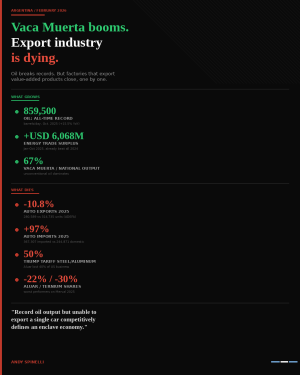
Argentine factories can never compete. Buy the finished product, take the win on consumer prices, and move the capital to a sector where Argentina actually has a competitive edge. Anything else is just "messing about" while the rest of the world moves on.