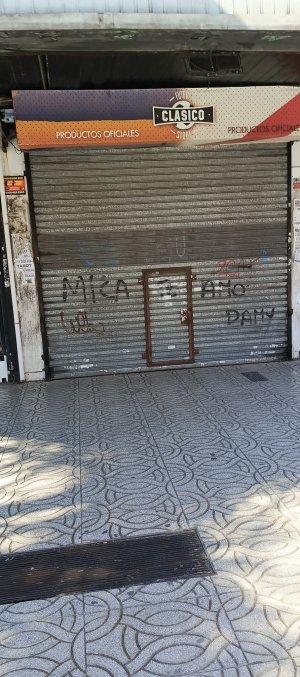
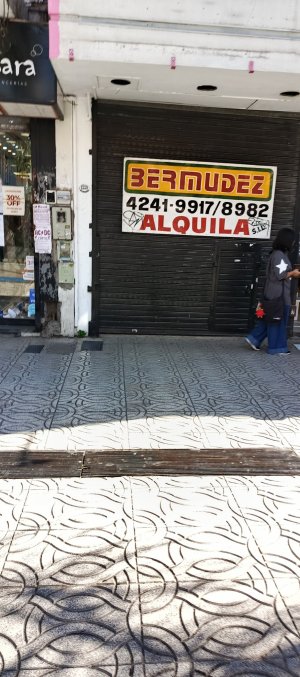
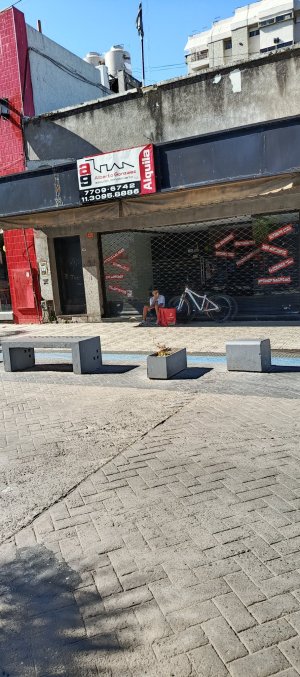
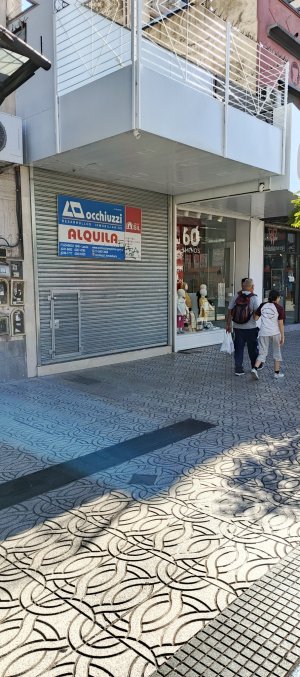
Who are some of these owners? I'd think if there was a really wealthy elite group that owned thousands of kiosks it would be known. What group is this
@BarryBloomWwf ?
When you research it online it shows most of these majority of kiosks that closed are independently owned. See below. I do agree that the corporate firms are growing but you'd be surprised how many families own kisosks.
The vast majority of the kiosks that have recently closed their doors are
independently owned neighborhood shops, traditionally run by individuals or families.
The larger, group-owned kiosk chains are generally
not the ones shutting down; in fact, their aggressive expansion is one of the primary reasons the independent shops are going under.
Here is a breakdown of why the independent "mom-and-pop" kiosks are being wiped out:
- The Corporate Takeover: According to the Argentine Kiosk Union (UKRA), well-funded corporate chains are moving directly into residential neighborhoods. When commercial rent prices spike, the independent neighborhood kiosquero cannot afford the renewal and is forced to close. The large chains then swoop into those exact areas because they have the capital to absorb the higher overhead.
- Plummeting Sales vs. Surging Costs: Independent owners are caught in a brutal squeeze between soaring fixed costs—like rent and utility tariffs—and a massive drop in everyday consumer spending. UKRA estimates that overall kiosk sales have plummeted by up to 40% in recent years as people cut out small luxuries and trade down to cheaper, second-tier brands.
- Unfair Competition: The traditional kiosk no longer has a monopoly on convenience. Independent owners are losing massive amounts of foot traffic to pharmacies, greengrocers, and hardware stores that have started installing refrigerators to sell sodas, snacks, and candy.
Ultimately, the historic, independent Argentine neighborhood kiosk is being pushed to the brink of extinction, slowly being replaced by a more concentrated, corporate-owned retail model.