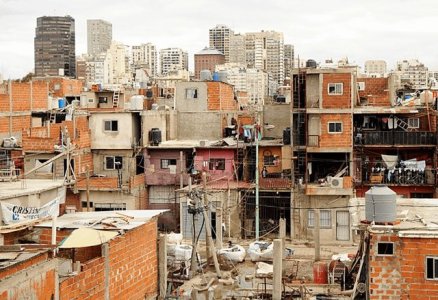
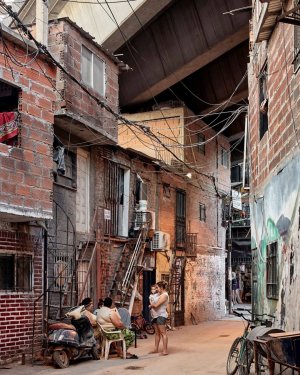
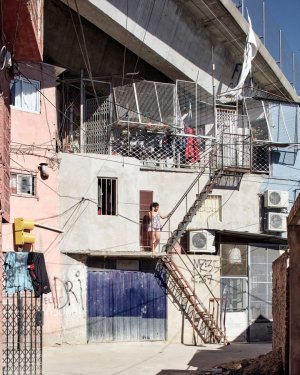
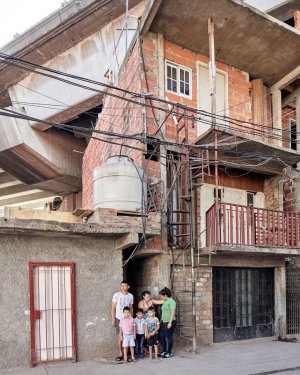
Is anything stopping them from gentrifying that area? Isn't it relatively close to the Four Seasons and Hyatt hotels? Is that prime real estate surrounding villa 31 then? I don't know what's around it, other than people saying how dangerous villa 31 is. But how's the surrounding area if high end hotels are close by?
Indeed it's a great area and very close to Recoleta and Retiro. Villa 31 is terrible. It's a shame that they can't transform that area but so many there that won't move. The city should make some area outside and develop for them so they have better living conditions and it could be a win/win for everyone.
Anywhere in the world prime land like this would have already been developed into luxurious properties long ago. But Argentina is a beast with legal and political protection.
The city government moved away from "erradication" (forced removal) years ago. Instead, they passed laws (like
City Law 6,129) that prioritize
"urban integration." This means they are bringing the city
to the villa—paving streets, installing sewers, and building schools—rather than moving the people out. Which is a mistake.
The laws specifically limit building heights to four stories and prevent large developers from buying up massive plots. The government even has a "right of first refusal" to buy properties from residents who want to leave, specifically to prevent real estate moguls from pressuring people to sell.
The "villeros" (residents) are highly organized. They have strong community unions and a long history of resisting eviction. Politically, no mayor wants the optics of bulldozing the homes of 47,000 people right in the center of the city.
Much of the land was historically federal (railroad or port land), making it legally messy for private developers to touch until very recently.
As it is now that area is off limits. Lots of petty crime around that area.
The area near the 4 Seasons and Park Hyatt have a lot of police patrol around so it's safe there.
The government has essentially decided that the cost of an "artificial" intervention (spending $300M+ to urbanize the slum) is cheaper and more stable than the social explosion that would happen if they tried to move 47,000 people.
It is a "fake reality" in the sense that market forces aren't allowed to dictate the land use, but it's a "real-world" solution to avoid a massive humanitarian and political crisis in the heart of the capital.