Things can't be too good if foreign companies are all trying to sell. Sounds like the greater fool theory. They are exiting while they can or it might be another decade before they can. It seems like boom or bust cycles here.Foreign companies are continuing to exit Argentina. Milei or no Milei this isn't a positive that so many countries don't feel like it is worth it and are exiting in droves. My colleague has a wife working as an executive of Saputo, which is a Canadian multinational that is Argentina's largest milk processing company. He told me they tried to sell their entire Argentina operations but no one would buy all of it. But they sold 80% to a Peruvian company for $400 million USD.
Curious I asked why they exited and why many are exiting or planning to exit like Carrefour and she said that they were losing significant money in Argentina. They lost tons of money due to write downs. They don't see inflation being contained any time soon and also said the Argentine peso was overvalued.
Navigation
Install the app
How to install the app on iOS
Follow along with the video below to see how to install our site as a web app on your home screen.
Note: This feature may not be available in some browsers.
More options

You are using an out of date browser. It may not display this or other websites correctly.
You should upgrade or use an alternative browser.
You should upgrade or use an alternative browser.
Argentina records negative foreign investment for the first time in over two decades
- Thread starter Nasdaq
- Start date
At least some big companies are announcing they will invest in Argentina.
Intial investment for the Vicuna project was declared today. If the project is approved by the companies, then the initial investment 2027-2030 will be $7B, with a final total of $18B, higher than the original estimates of $15B. There is some spend going on this year for preparing earthworks, and some equipment purchases.
From the article (Inversión de USD 18.000 millones: la minera Vicuña oficializó su plan para la explotación de oro, plata y cobre en Argentina), the project is expecting to be one of the top 5 copper, gold, silver operations in the world. For the first 25 years, average annual production would be 395,000 t of copper, 711,000 ounces of gold, and 22 million ounces of silver.
Assuming $4/lb for copper, $2500,oz gold, and $30/oz silver (all prices are quite a bit lower than currently trading,$6/lb copper, $5k/gold, $76/oz silver), that would give annual, that would be an annual revenue of $5.9B. Obviously there is a cost to produce, pay back capital, royalties and taxes, but to suggest that projects don't have an impact is being blind to facts.
I'm guessing this would provide more higher paying jobs indirectly or directly than were reported lost in the textile industry over almost the last 3 years. It would also help shore up FX markets and provide reliable industry for 25+ years.
Why can Canada, US, Saudi Arabia, Australia, Chile, Peru, Venezuela, etc have resource based economies, but suggesting that these types of projects in Argentina won't bring about change and support the future?

 www.infobae.com
Investment of USD 18 billion: the mining company Vicuña formalized its plan for the exploitation of gold, silver and copper in Argentina
Intial investment for the Vicuna project was declared today. If the project is approved by the companies, then the initial investment 2027-2030 will be $7B, with a final total of $18B, higher than the original estimates of $15B. There is some spend going on this year for preparing earthworks, and some equipment purchases.
From the article (Inversión de USD 18.000 millones: la minera Vicuña oficializó su plan para la explotación de oro, plata y cobre en Argentina), the project is expecting to be one of the top 5 copper, gold, silver operations in the world. For the first 25 years, average annual production would be 395,000 t of copper, 711,000 ounces of gold, and 22 million ounces of silver.
Assuming $4/lb for copper, $2500,oz gold, and $30/oz silver (all prices are quite a bit lower than currently trading,$6/lb copper, $5k/gold, $76/oz silver), that would give annual, that would be an annual revenue of $5.9B. Obviously there is a cost to produce, pay back capital, royalties and taxes, but to suggest that projects don't have an impact is being blind to facts.
I'm guessing this would provide more higher paying jobs indirectly or directly than were reported lost in the textile industry over almost the last 3 years. It would also help shore up FX markets and provide reliable industry for 25+ years.
Why can Canada, US, Saudi Arabia, Australia, Chile, Peru, Venezuela, etc have resource based economies, but suggesting that these types of projects in Argentina won't bring about change and support the future?
Inversión de USD 18.000 millones: la minera Vicuña oficializó su plan para la explotación de oro, plata y cobre en Argentina
La empresa, formada por la australiana BHP y la canadiense Lundin Mining, detalló que la inversión inicial en sus proyectos Josemaría y Filo del Sol, en San Juan, será de USD 7.000 millones entre 2027 y 2030.
www.infobae.com
former expat
Member
Argentina’s resource projects are only a small part of a much larger employment and structural economic problem. At this stage, they are more of a short-term measure and still in early development. For now, they will create only a limited number of jobs. And they aren't guaranteed. Any hiccup with the political or economic situation and these will get mothballed.At least some big companies are announcing they will invest in Argentina.
Investment of USD 18 billion: the mining company Vicuña formalized its plan for the exploitation of gold, silver and copper in Argentina
Intial investment for the Vicuna project was declared today. If the project is approved by the companies, then the initial investment 2027-2030 will be $7B, with a final total of $18B, higher than the original estimates of $15B. There is some spend going on this year for preparing earthworks, and some equipment purchases.
From the article (Inversión de USD 18.000 millones: la minera Vicuña oficializó su plan para la explotación de oro, plata y cobre en Argentina), the project is expecting to be one of the top 5 copper, gold, silver operations in the world. For the first 25 years, average annual production would be 395,000 t of copper, 711,000 ounces of gold, and 22 million ounces of silver.
Assuming $4/lb for copper, $2500,oz gold, and $30/oz silver (all prices are quite a bit lower than currently trading,$6/lb copper, $5k/gold, $76/oz silver), that would give annual, that would be an annual revenue of $5.9B. Obviously there is a cost to produce, pay back capital, royalties and taxes, but to suggest that projects don't have an impact is being blind to facts.
I'm guessing this would provide more higher paying jobs indirectly or directly than were reported lost in the textile industry over almost the last 3 years. It would also help shore up FX markets and provide reliable industry for 25+ years.
Why can Canada, US, Saudi Arabia, Australia, Chile, Peru, Venezuela, etc have resource based economies, but suggesting that these types of projects in Argentina won't bring about change and support the future?
Inversión de USD 18.000 millones: la minera Vicuña oficializó su plan para la explotación de oro, plata y cobre en Argentina
La empresa, formada por la australiana BHP y la canadiense Lundin Mining, detalló que la inversión inicial en sus proyectos Josemaría y Filo del Sol, en San Juan, será de USD 7.000 millones entre 2027 y 2030.
Many of the mining projects being discussed will take years to reach production. By that time, global economic conditions could be very different. Commodity cycles are unpredictable, and a global recession could reduce prices. Argentina’s political cycles are also uncertain, and there is always the possibility of a shift back toward a more interventionist or left-leaning government.
Some countries with strong state involvement—such as China or Sweden—have achieved stability and growth, but they also rely on strong institutions, consistent policies, and high tax compliance. Argentina continues to struggle with tax evasion and a large informal economy, which makes it difficult to sustain similar systems. Remember there are 4 types of countries developed, developing, Japan and Argentina!!). Argentina is its own beast!
When comparing countries, places like Canada, the United States, Australia, and Chile are often viewed as having more predictable legal systems and stronger contract enforcement. Chile in particular is frequently seen as one of the most business-friendly economies in South America. Peru has also maintained relative economic stability over long periods. Venezuela, after years of crisis, may attempt to stabilize, though its future remains uncertain.
Argentina, on the other hand, has abundant natural resources but a long history of policy reversals, debt defaults, currency controls, and nationalizations. These factors have contributed to a reputation for economic instability. International investors often cite these issues as reasons for caution.
Data from global indices also reflects governance challenges across parts of Latin America, including Argentina, where corruption concerns and institutional weaknesses are frequently noted.
Because of these historical and institutional challenges, some analysts believe Argentina’s economic struggles are rooted in deeper structural and cultural issues, not just short-term policies. The persistence of trade barriers, taxes, and regulatory obstacles is often cited as evidence of these deeper problems.
Looking at it like this countries that maintain more stable institutions, predictable rules, and consistent economic policies tend to attract more long-term investment. Until Argentina demonstrates sustained stability over many years, skepticism from investors and businesses is likely to remain.

import export
Well-known member
I would tend to agree with you @former expat based on my experiences working in Argentina and doing cross border transactions. Argentina's problem is that it counts on Argentines and that is the biggest problem. It's cultural dog eat dog and filled with corruption. Hell, look at every President in office including Milei. The first thing he does right after getting in is ripping off people. Same as his sister and now everyone in his administration and cabinet are getting embroiled with grift. Do you really think a country can turn around when everyone is taking whatever they can as fast as they can?Argentina’s resource projects are only a small part of a much larger employment and structural economic problem. At this stage, they are more of a short-term measure and still in early development. For now, they will create only a limited number of jobs. And they aren't guaranteed. Any hiccup with the political or economic situation and these will get mothballed.
Many of the mining projects being discussed will take years to reach production. By that time, global economic conditions could be very different. Commodity cycles are unpredictable, and a global recession could reduce prices. Argentina’s political cycles are also uncertain, and there is always the possibility of a shift back toward a more interventionist or left-leaning government.
Some countries with strong state involvement—such as China or Sweden—have achieved stability and growth, but they also rely on strong institutions, consistent policies, and high tax compliance. Argentina continues to struggle with tax evasion and a large informal economy, which makes it difficult to sustain similar systems. Remember there are 4 types of countries developed, developing, Japan and Argentina!!). Argentina is its own beast!
When comparing countries, places like Canada, the United States, Australia, and Chile are often viewed as having more predictable legal systems and stronger contract enforcement. Chile in particular is frequently seen as one of the most business-friendly economies in South America. Peru has also maintained relative economic stability over long periods. Venezuela, after years of crisis, may attempt to stabilize, though its future remains uncertain.
Argentina, on the other hand, has abundant natural resources but a long history of policy reversals, debt defaults, currency controls, and nationalizations. These factors have contributed to a reputation for economic instability. International investors often cite these issues as reasons for caution.
Data from global indices also reflects governance challenges across parts of Latin America, including Argentina, where corruption concerns and institutional weaknesses are frequently noted.
Because of these historical and institutional challenges, some analysts believe Argentina’s economic struggles are rooted in deeper structural and cultural issues, not just short-term policies. The persistence of trade barriers, taxes, and regulatory obstacles is often cited as evidence of these deeper problems.
Looking at it like this countries that maintain more stable institutions, predictable rules, and consistent economic policies tend to attract more long-term investment. Until Argentina demonstrates sustained stability over many years, skepticism from investors and businesses is likely to remain.
People underestimate the amount of grift there is.

lemonade
Well-known member
Good point about the grift with Milei and his sister. Stupid. So many foreigners probably just assume that Milei is Cristina 2.0.I would tend to agree with you @former expat based on my experiences working in Argentina and doing cross border transactions. Argentina's problem is that it counts on Argentines and that is the biggest problem. It's cultural dog eat dog and filled with corruption. Hell, look at every President in office including Milei. The first thing he does right after getting in is ripping off people. Same as his sister and now everyone in his administration and cabinet are getting embroiled with grift. Do you really think a country can turn around when everyone is taking whatever they can as fast as they can?
People underestimate the amount of grift there is.

ghost
Member
Cristina 2.0! That is classic. Milei is just another grifter. Given enough time his sister will probably be worse than Cristina.Good point about the grift with Milei and his sister. Stupid. So many foreigners probably just assume that Milei is Cristina 2.0.
All of thees RIGI announcements probably will fizzle out too. Those kind of investments take many years and no guarantee they will invest at all. The foreign direct investment numbers are surprising. Looks like everyone is using Milei to get out of dodge.This was sure disappointing to read.
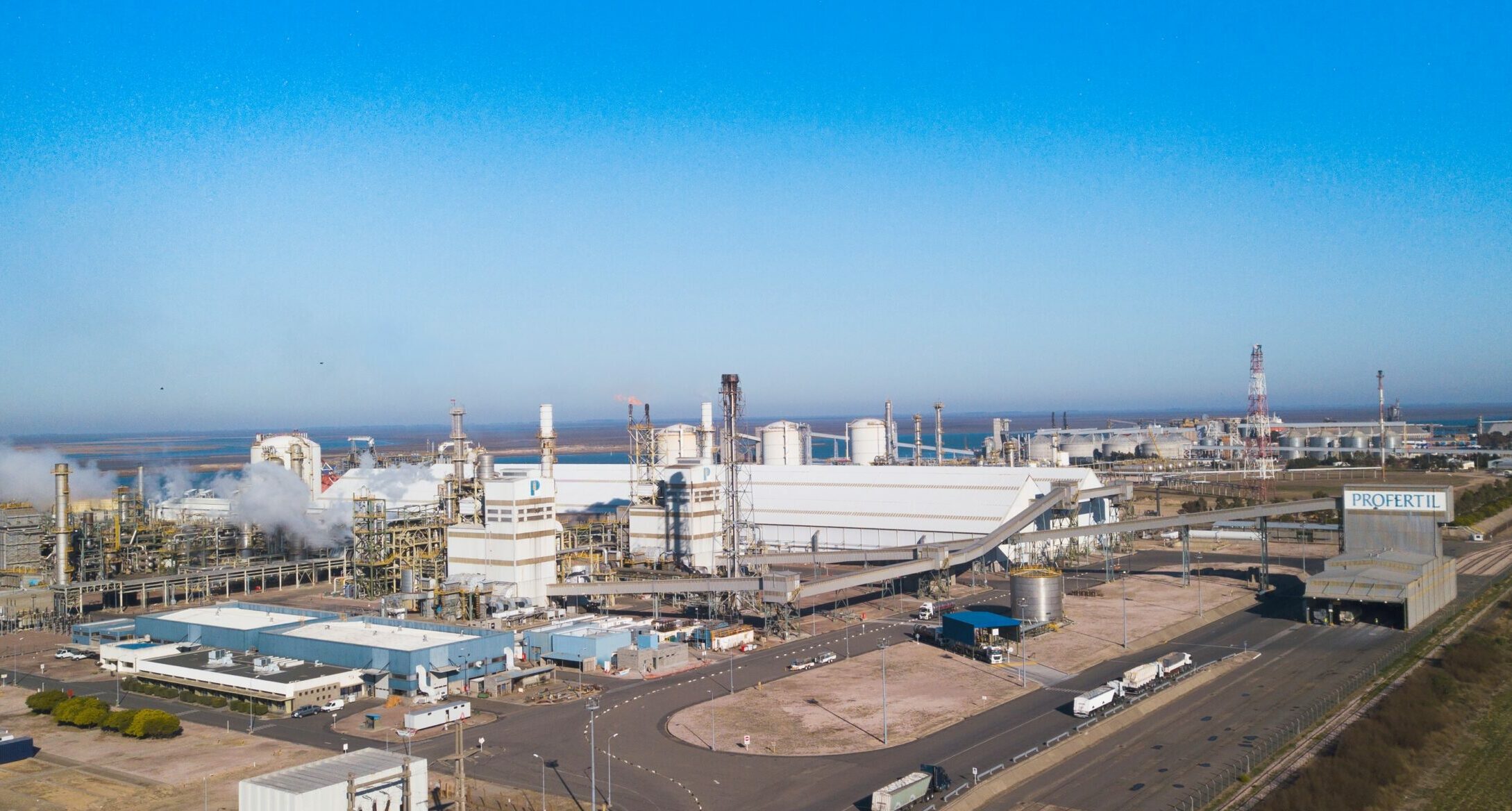
Argentina records negative foreign investment for the first time in over two decades - Buenos Aires Herald
A top Canadian fertilizer company is the latest to leave Argentina, amid a wave of foreign companies selling their operations to local businessesbuenosairesherald.com

VINO
Well-known member
The price of beauty items in Argentina is ridiculous! I load up on all my favorites when I'm in the US. Customs always looks at me funny when I come back with 2 suitcases full of my favorite perfumes, shampoos, conditioners, sunscreen, and lotions.If foreign companies are leaving that can't be a good sign. I was just in the mall and it doesn't seem like many are buying much. The mall did have traffic but I did not see many people with shopping bags and it's a few days before Christmas. I walked into a store to get my girlfriend a shirt. 320,000 pesos for a shirt at a store in Alto Palermo. Over $208 dollars! Same thing might cost $50 bucks in the US.
I use this face soap that is about $25 in the US. Here it is an astronomical price of 93,407 pesos. I couldn't believe it. So much for import taxes getting reduced.
View attachment 10158

Uncle Wong
Well-known member
What do you all think it will take for foreign companies or even local companies to really invest capital in Argentina. Not sure how things will turn around with no new investments.

Nasdaq
Well-known member
Let's see if Argentina Week helps bring in foreign direct investments.

 www.infobae.com
Javier Milei aseguró que los empresarios que defienden la industria nacional son “unos chorros” y reiteró en Nueva York duras críticas a Rocca y Madanes Quintanilla
El Presidente apuntó contra los dueños de Techint y de Aluar en la apertura de la Argentina Week. Al segundo, también propietario de Fate, lo acusó de extorsionar al Gobierno y “tirar 900 trabajadores a la calle” un día antes del debate de la reforma laboral. El “riesgo kuka” sigue generando...
www.infobae.com

Wally
Well-known member
Watch the investments come crashing in with Argentina's best and brightest. 🤣🤣What do you all think it will take for foreign companies or even local companies to really invest capital in Argentina. Not sure how things will turn around with no new investments.

Finance Prof
Well-known member
Watch the investments come crashing in with Argentina's best and brightest. 🤣🤣
OMG. I thought that was a fake AI video. I had to look it up. Looks like it is real. It was just from last week.
It took place during the official opening of Argentina Day at the PDAC 2025 convention (Prospectors & Developers Association of Canada)
I'm not sure why they are using Karina Milei to talk about "a new era in investing in Argentina". That was terrible.

Calgary Foodie
Active member
Watch the investments come crashing in with Argentina's best and brightest. 🤣🤣
Why would they want Karina to speak at anything related to foreign investors??? Does this administration really not get it? Most foreigners view her as very shady. I would think they would want to keep her as far away from anything public speaking and having to do with investors. Are they really this dense???
Similar threads
- Replies
- 5
- Views
- 261

Real Estate News
Records Continue in Buenos Aires Province - Reporte Inmobiliario
- Replies
- 1
- Views
- 173


- Replies
- 22
- Views
- 469

- Replies
- 44
- Views
- 530
Community Insight...
Engage explore adapt in your expat community.
Receive personalized job market insights from seasoned expats in your area
Discover local cultural nuances and festivities shared by community members
Get your tailored expat living guide curated by experienced locals