
In Argentina, the drop in birth rates is often treated as a statistical footnote, when in reality it is reshaping the foundations of the economy. By around 2040, the number of people outside the workforce will exceed those who are working. That shift places enormous strain on the pay-as-you-go pension system, which relies on a large and stable base of formal workers. As that base shrinks, pension financing, consumption, and tax revenue all weaken at the same time.
Against this backdrop, the idea has emerged that artificial intelligence and robotics will compensate for the lack of people. Productivity may rise and many tasks can be automated, but pension systems still depend on human wages and contributions flowing through the economy. Machines do not participate in that cycle. Expanding automation without a strong working-age population risks deepening the imbalance rather than solving it.
What is at stake is not technological progress itself, but the sustainability of the social contract. Without higher birth rates, formal employment, and real incomes to support demand, demographic change stops being a silent trend and becomes a hard economic constraint. It forces a rethink of the system—either by choice or by crisis.
The key questions are unavoidable: can a welfare state survive as traditional wage-based contributions erode? And are we prepared to tax machine-driven productivity or redirect concentrated capital to provide the material foundation for human life?
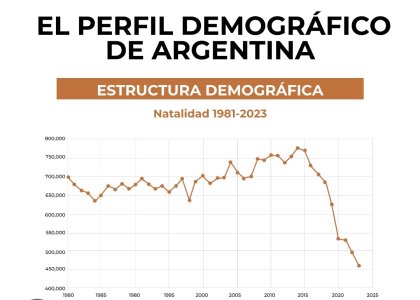
Against this backdrop, the idea has emerged that artificial intelligence and robotics will compensate for the lack of people. Productivity may rise and many tasks can be automated, but pension systems still depend on human wages and contributions flowing through the economy. Machines do not participate in that cycle. Expanding automation without a strong working-age population risks deepening the imbalance rather than solving it.
What is at stake is not technological progress itself, but the sustainability of the social contract. Without higher birth rates, formal employment, and real incomes to support demand, demographic change stops being a silent trend and becomes a hard economic constraint. It forces a rethink of the system—either by choice or by crisis.
The key questions are unavoidable: can a welfare state survive as traditional wage-based contributions erode? And are we prepared to tax machine-driven productivity or redirect concentrated capital to provide the material foundation for human life?